

- What Is Akkermansia Muciniphila?
- How Does Akkermansia Work in the Gut?
- Key Benefits of Akkermansia
- What Does Research Say?
- How to Increase Akkermansia Naturally
- Akkermansia Supplements: Live vs. Pasteurized
- Potential Side Effects and Considerations
- Frequently Asked Questions
- Key Takeaways
- Final Thoughts
- References
Akkermansia muciniphila is one of the most talked-about bacteria in gut health research today. Often described as a next-generation probiotic, Akkermansia has gained attention for its potential role in supporting gut barrier integrity, metabolic health, weight management, and overall microbiome balance.
Unlike many familiar probiotic strains that primarily live in the intestinal contents, Akkermansia lives close to the gut lining, where it interacts with the protective mucus layer. This unique location is part of what makes it so interesting to researchers. The gut lining is not just a passive wall—it is an active barrier that helps regulate what enters the body, communicates with the immune system, and supports a balanced microbiome.
Research on Akkermansia is still developing, but early human studies, animal models, and mechanistic research suggest it may play an important role in the connection between gut health and metabolic wellness. At the same time, it is important to keep the evidence in perspective. Akkermansia is promising, but it is not a cure-all or replacement for healthy diet, exercise, medical care, or a well-rounded digestive health plan.
For those exploring gut health supplements, Akkermansia is best viewed as part of a broader strategy that may also include probiotics, gut health support, prebiotic fibers, polyphenol-rich foods, and healthy lifestyle habits.
What Is Akkermansia Muciniphila?
Akkermansia muciniphila is a naturally occurring bacterium found in the human gut. It was first identified in 2004 and is known for its ability to live in and interact with the intestinal mucus layer. Its name comes from its relationship with mucin, the gel-like substance that helps form the protective mucus barrier lining the intestines.
In simple terms, Akkermansia is a mucin-loving bacterium. While many beneficial microbes feed mainly on dietary fiber, Akkermansia can use mucin as a nutrient source. At first, that may sound concerning—why would a bacterium that consumes mucus be beneficial? The answer appears to involve balance and renewal.
In a healthy gut environment, the mucus layer is constantly being produced, broken down, and renewed. Akkermansia may help participate in this normal turnover process while also supporting communication between intestinal cells, immune cells, and other gut microbes. Researchers believe this may be one reason Akkermansia is often associated with healthier gut barrier function and metabolic balance.
Akkermansia is commonly detected in healthy adults, though levels can vary significantly between individuals. Some studies suggest that lower Akkermansia abundance is associated with obesity, insulin resistance, metabolic syndrome, and lower microbial diversity. However, association does not prove causation. This means Akkermansia may be part of the picture, but it is not the only factor that determines gut or metabolic health.
How Does Akkermansia Work in the Gut?
Akkermansia works in a very different way from many traditional probiotics. Instead of simply adding another strain to the digestive tract, Akkermansia appears to interact directly with the mucus layer and the cells that line the intestine.
One of its key roles is mucin metabolism. As Akkermansia breaks down mucin, it can release compounds that other beneficial bacteria may use. This process is known as cross-feeding. In other words, Akkermansia may help create conditions that support a more balanced and diverse microbial ecosystem.
Researchers have also studied specific components of Akkermansia, including membrane proteins, lipooligosaccharides, and phospholipids. These components may interact with immune and epithelial signaling pathways in the gut. This does not mean Akkermansia automatically produces a health benefit in every person, but it does help explain why scientists are so interested in its potential role in gut barrier regulation and immune balance.
Another reason Akkermansia is unique is that it is highly sensitive to oxygen. This makes it more challenging to formulate than many common probiotic strains. Because of this, researchers and supplement manufacturers have explored both live Akkermansia and pasteurized Akkermansia. Interestingly, some research suggests that pasteurized Akkermansia may still retain important biological activity, even though the cells are no longer alive.
Key Benefits of Akkermansia
Gut Barrier Support
The gut barrier plays a major role in overall health. It helps separate the inside of the digestive tract from the bloodstream while allowing nutrients to be absorbed. A healthy gut barrier also helps protect against unwanted substances and supports normal immune communication.
Because Akkermansia lives close to the mucus layer, researchers have studied its relationship with gut barrier integrity. In preclinical studies, Akkermansia has been linked to improved mucus thickness, healthier intestinal barrier function, and better communication between gut microbes and intestinal cells.
For consumers, the most responsible way to describe this is that Akkermansia may help support a healthy gut barrier. It should not be described as a treatment for intestinal disease. The science is promising, but human research is still developing.
Metabolic Health
Metabolic health refers to how well the body manages blood sugar, insulin, lipids, body composition, and energy balance. This is one of the most active areas of Akkermansia research.
Several studies have found that individuals with healthier metabolic profiles tend to have higher levels of Akkermansia compared to those with obesity, insulin resistance, or metabolic syndrome. Early research also suggests Akkermansia may influence pathways related to glucose metabolism, lipid regulation, inflammation, and gut barrier function.
This does not mean Akkermansia is a substitute for diet, exercise, or medical treatment. Instead, it may be one piece of a larger metabolic-health picture. For those focused on metabolic wellness, Akkermansia may complement other evidence-based strategies such as a fiber-rich diet, regular physical activity, quality sleep, and practitioner-guided supplement support.
Weight Management
Akkermansia has also received attention for its possible connection to weight management. Research has observed that Akkermansia levels are often lower in individuals with obesity compared with individuals at a healthy weight.
The proposed explanation is not that Akkermansia directly causes weight loss. Rather, it may support a healthier gut environment that influences metabolic signaling, gut barrier function, inflammatory balance, and energy regulation. These are all factors that may play a role in how the body responds to diet and lifestyle habits.
For this reason, Akkermansia should be viewed as a supportive microbiome strategy, not a standalone weight-loss supplement. Sustainable weight management still depends on nutrition, physical activity, sleep, stress management, and individualized medical guidance when needed.
Cardiovascular Health
The gut microbiome and cardiovascular health are closely connected through inflammation, lipid metabolism, blood sugar regulation, and metabolic function. Because Akkermansia has been studied in relation to these areas, researchers have also explored its potential connection to cardiometabolic wellness.
Some studies suggest Akkermansia may influence markers related to cholesterol metabolism, vascular function, and inflammatory signaling. However, direct human cardiovascular outcome data are still limited.
For now, the most balanced conclusion is that Akkermansia may support cardiometabolic health indirectly through its relationship with gut barrier integrity and metabolic regulation. It should not be positioned as a replacement for proven heart-health strategies such as a healthy diet, exercise, omega-3 intake, blood pressure management, or physician-directed care.
What Does Research Say?
Akkermansia research is strongest in three areas: early human clinical studies, mechanistic research, and preclinical metabolic studies. Together, these areas help explain why Akkermansia has become such an exciting topic in microbiome science.
Human Clinical Trials
One of the most important human studies was a proof-of-concept exploratory trial that evaluated Akkermansia supplementation in overweight and obese adults. The study looked at both live and pasteurized Akkermansia and found that supplementation was generally well tolerated. The pasteurized form showed encouraging signals related to insulin sensitivity, cholesterol, and certain metabolic markers.
This study helped shape the future of Akkermansia research because it suggested that pasteurized Akkermansia may have biological activity even though it is not alive. That finding challenged the traditional idea that a probiotic must always be live to be useful.
However, the study was relatively small and exploratory. This means it should be viewed as an important early step, not final proof. Larger, longer, and more diverse clinical trials are still needed before firm conclusions can be made about who benefits most, what dose is ideal, and how long supplementation should be used.
Mechanistic Research
Mechanistic studies help researchers understand how Akkermansia may work. Several important findings have come from studies examining Akkermansia's relationship with the intestinal mucus layer, immune signaling, and metabolic pathways.
Research has identified specific Akkermansia components that may interact with the gut lining, including outer membrane proteins and phospholipids. One well-known area of research involves a membrane protein called Amuc_1100, which has been studied for its possible role in supporting gut barrier function and metabolic regulation in preclinical models.
Other research has explored how Akkermansia processes mucin and shares nutrients with other gut microbes. This helps explain why Akkermansia may function as more than just a single beneficial organism. It may help shape the surrounding microbiome environment.
Researchers have also studied pasteurized Akkermansia and its cellular components. Some preclinical findings suggest that pasteurization may preserve certain structures involved in host signaling. This is one reason pasteurized Akkermansia has become such an important focus in both clinical research and supplement development.
What Researchers Still Don't Know
Despite the excitement, there are still several unanswered questions. First, researchers do not yet know the ideal Akkermansia dose for different goals. Commercial supplements may provide suggested serving sizes, but a universally accepted evidence-based dose has not yet been established.
Second, researchers are still studying who is most likely to benefit. Someone with low Akkermansia levels, poor metabolic health, or low microbial diversity may respond differently than someone who already has a healthy microbiome.
Third, long-term safety data are still limited in certain populations, including children, pregnant or nursing women, immunocompromised individuals, and people with complex gastrointestinal conditions.
Finally, there is still debate over whether live or pasteurized Akkermansia is preferable in different situations. Pasteurized Akkermansia has strong scientific interest because of its stability and early clinical data, while live Akkermansia remains appealing because it fits the traditional probiotic model. More head-to-head human research is needed.
How to Increase Akkermansia Naturally
Even if someone is interested in Akkermansia supplements, diet and lifestyle remain the foundation. A healthy gut environment is shaped by what we eat, how active we are, how well we sleep, and how consistently we support digestive health.
Research suggests that certain dietary patterns may encourage a healthier microbiome environment, including one that may support Akkermansia abundance. These include diets rich in fiber, polyphenols, and minimally processed plant foods.
- Fiber-rich foods: Vegetables, fruits, legumes, oats, and whole grains help support microbial diversity and overall digestive health.
- Prebiotic foods: Onions, garlic, leeks, asparagus, artichokes, and chicory root provide compounds that nourish beneficial gut bacteria.
- Polyphenol-rich foods: Berries, pomegranate, green tea, cocoa, and colorful fruits and vegetables may help support Akkermansia and other beneficial microbes.
- Mediterranean-style eating: Extra-virgin olive oil, nuts, seeds, legumes, fish, vegetables, and herbs can support a healthier microbiome pattern.
- Omega-3 fatty acids: Fatty fish and high-quality omega-3 supplements may support a healthier inflammatory balance and microbiome environment.
Lifestyle habits matter too. Regular exercise, adequate sleep, stress management, and limiting ultra-processed foods may all help support a more favorable gut ecosystem.
For customers looking to support the gut more broadly, Akkermansia can be considered alongside probiotics, fiber supplements, and gut health support products.
Akkermansia Supplements: Live vs. Pasteurized
Akkermansia supplements are generally discussed in two main forms: live Akkermansia and pasteurized Akkermansia.
Live Akkermansia contains viable bacteria. This follows the traditional probiotic model, where live organisms are delivered to the digestive tract. However, Akkermansia is highly sensitive to oxygen, which makes manufacturing, storage, and delivery especially important.
Pasteurized Akkermansia contains non-living cells that have been heat-treated. While this may sound less impressive at first, research suggests pasteurized Akkermansia may still retain important cellular structures that interact with the body. In fact, much of the early human and preclinical research has focused on pasteurized Akkermansia.
| Form | What It Means | Potential Advantages | Important Considerations |
|---|---|---|---|
| Live Akkermansia | Contains viable Akkermansia cells. | Fits the traditional probiotic model and may appeal to those looking for live organisms. | Highly oxygen-sensitive; product stability and manufacturing quality matter. |
| Pasteurized Akkermansia | Contains heat-treated, non-living Akkermansia cells. | May offer better stability and has been studied in early human and preclinical research. | Works more like a postbiotic-style ingredient than a traditional live probiotic. |
When choosing an Akkermansia supplement, look for transparency. A quality product should clearly state what form it uses, provide serving directions, and come from a brand with strong manufacturing standards. Because this category is still emerging, it is especially important to choose products carefully.
You can browse HiLife's Akkermansia Muciniphila collection to compare available options.
Potential Side Effects and Considerations
Akkermansia appears to be generally well tolerated in the limited human research available so far. However, because this is still an emerging supplement category, long-term safety data are not as extensive as they are for more established supplements.
Some people may experience mild digestive changes when introducing microbiome-supportive supplements, especially if they are also increasing fiber intake or making dietary changes. These may include temporary bloating, gas, or changes in bowel habits.
People with serious medical conditions should be more cautious. Those with complex gastrointestinal disorders, immune system concerns, recent hospitalization, or significant metabolic conditions should consult a qualified healthcare professional before using Akkermansia or any microbiome-directed supplement.
Pregnant or nursing women, children, and individuals taking prescription medications should also seek professional guidance before use. There is not enough evidence yet to make broad recommendations for these populations.
Finally, Akkermansia should not be used as a replacement for medical treatment, prescribed medications, or practitioner-guided care. It may be a promising gut-health tool, but it should be used as part of a responsible and individualized wellness plan.
Frequently Asked Questions
What is Akkermansia muciniphila?
Akkermansia muciniphila is a naturally occurring gut bacterium that lives near the intestinal mucus layer. It is being studied for its potential role in gut barrier support, metabolic health, and microbiome balance.
Why is Akkermansia called a next-generation probiotic?
Akkermansia is often called a next-generation probiotic because it has unique interactions with the gut lining and mucus layer. It is also newer to supplement research compared with traditional probiotic strains like Lactobacillus and Bifidobacterium.
Is Akkermansia good for gut health?
Research suggests Akkermansia may help support a healthy gut barrier and mucus layer. However, human research is still developing, so it is best viewed as a promising gut-health support option rather than a guaranteed solution.
Can Akkermansia help with weight management?
Akkermansia has been associated with healthier body weight and metabolic profiles in some studies. However, it should not be viewed as a standalone weight-loss supplement. It may support a healthier metabolic environment when combined with diet, exercise, sleep, and lifestyle habits.
Is pasteurized Akkermansia better than live Akkermansia?
Not necessarily for every person, but pasteurized Akkermansia has received strong research interest because it may retain biologically active structures and offer better stability. Live Akkermansia may still be useful, but quality and delivery technology are especially important.
What foods help increase Akkermansia naturally?
Foods that may support Akkermansia include fiber-rich vegetables, legumes, onions, garlic, asparagus, berries, pomegranate, green tea, cocoa, and other polyphenol-rich plant foods.
Can I take Akkermansia with other probiotics?
Many people may use Akkermansia as part of a broader gut-health plan that includes probiotics, prebiotics, or fiber. However, the best combination depends on your health goals, tolerance, and any medical conditions.
How long does Akkermansia take to work?
There is no universally established timeline. Results may vary depending on the person, diet, lifestyle, supplement form, and overall gut health. Consistency and a strong nutrition foundation are important.
Who should avoid Akkermansia supplements?
People who are pregnant, nursing, immunocompromised, managing serious gastrointestinal conditions, or taking prescription medications should consult a healthcare professional before using Akkermansia supplements.
Key Takeaways
- Akkermansia muciniphila is a naturally occurring gut bacterium that lives near the intestinal mucus layer.
- It is being studied for its potential role in gut barrier integrity, metabolic health, weight management, and microbiome balance.
- Early human research is promising, especially for pasteurized Akkermansia, but larger studies are still needed.
- Pasteurized Akkermansia may retain bioactive structures even though the cells are not alive.
- Diet and lifestyle remain essential. Fiber-rich foods, polyphenols, exercise, sleep, and gut-supportive habits are still the foundation.
- Akkermansia supplements should be viewed as supportive tools, not replacements for medical care or healthy habits.
Final Thoughts
Akkermansia muciniphila is one of the most exciting areas of modern gut health research. Its close relationship with the intestinal mucus layer, gut barrier function, and metabolic signaling makes it different from many traditional probiotic strains.
Current research suggests Akkermansia may play a supportive role in gut health, metabolic wellness, and microbiome balance. However, this is still an emerging category. The early evidence is encouraging, but more large-scale human clinical trials are needed before stronger conclusions can be made.
For those interested in supporting Akkermansia, the best approach is a combination of smart nutrition, lifestyle habits, and carefully selected supplements. A fiber-rich, polyphenol-rich diet, regular exercise, quality sleep, and targeted gut support can all help create a healthier microbiome environment.
To explore options, visit HiLife's Akkermansia Muciniphila collection, or browse our broader Probiotics and Gut Health collections.
Disclaimer: This content is for informational purposes only. It is not medical advice and is not intended to diagnose, treat, cure, or prevent any disease. Always consult a qualified healthcare professional before beginning any new supplement, especially if you are pregnant, nursing, have a medical condition, or take prescription medications.
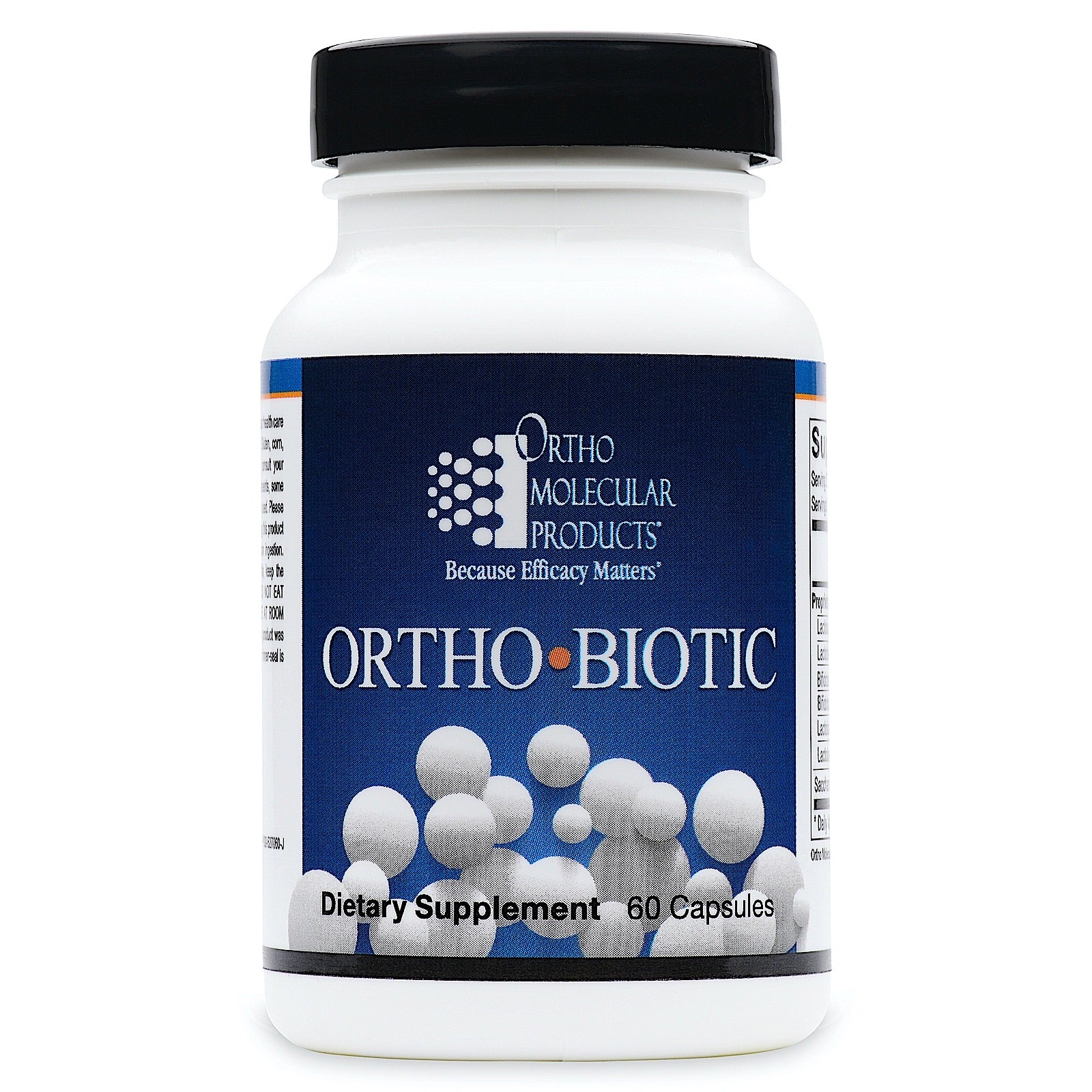

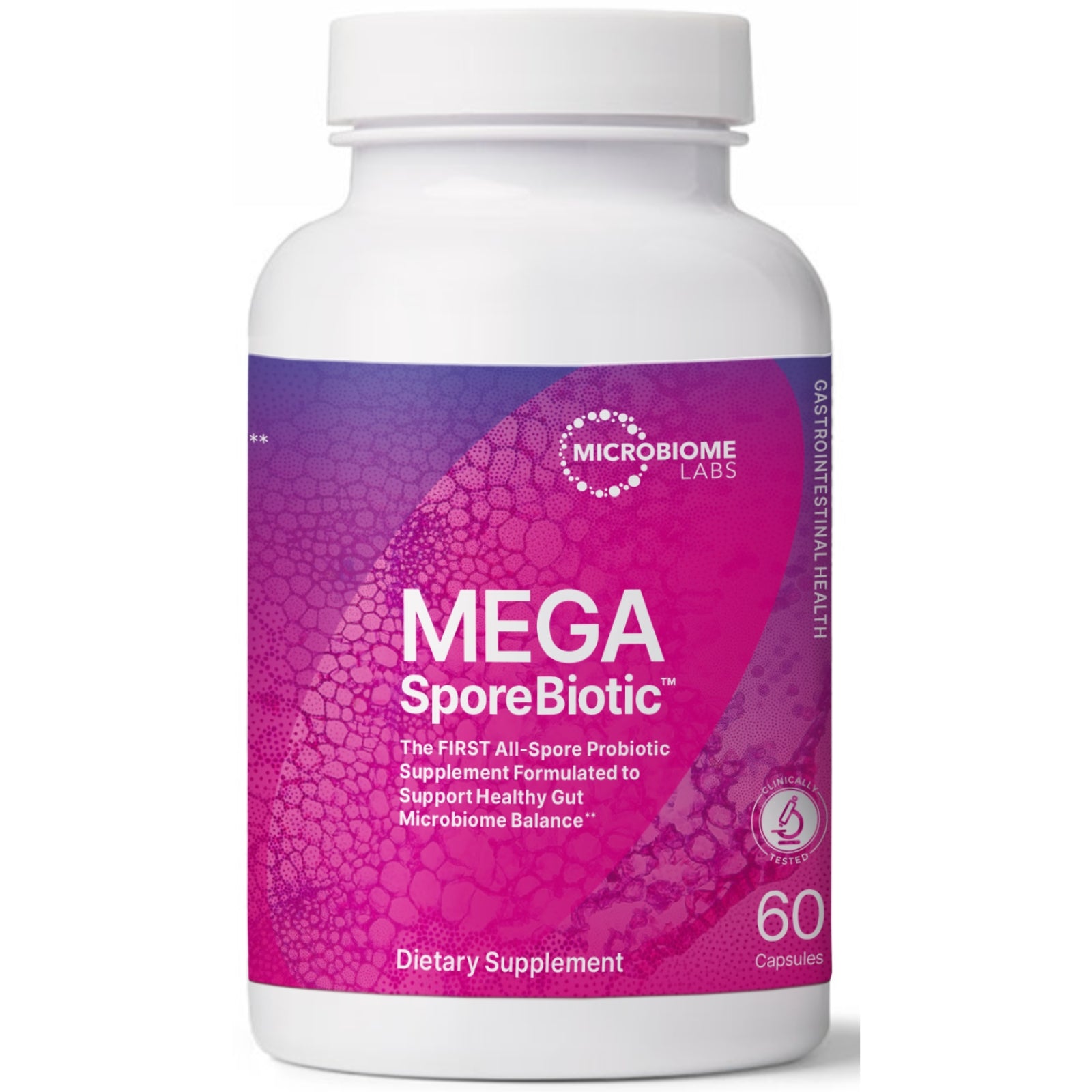
1 comment
This is fascinating. It’s amazing how one tiny bacterium can have such a significant impact on gut health, metabolism, and overall wellness. The connection between Akkermansia, the gut barrier, and inflammation really highlights how important it is to nourish our microbiome!
It’s also a great reminder that gut health isn’t just about digestion it can influence everything from weight management to heart health.